How Does a Standard Porta Potty Work?
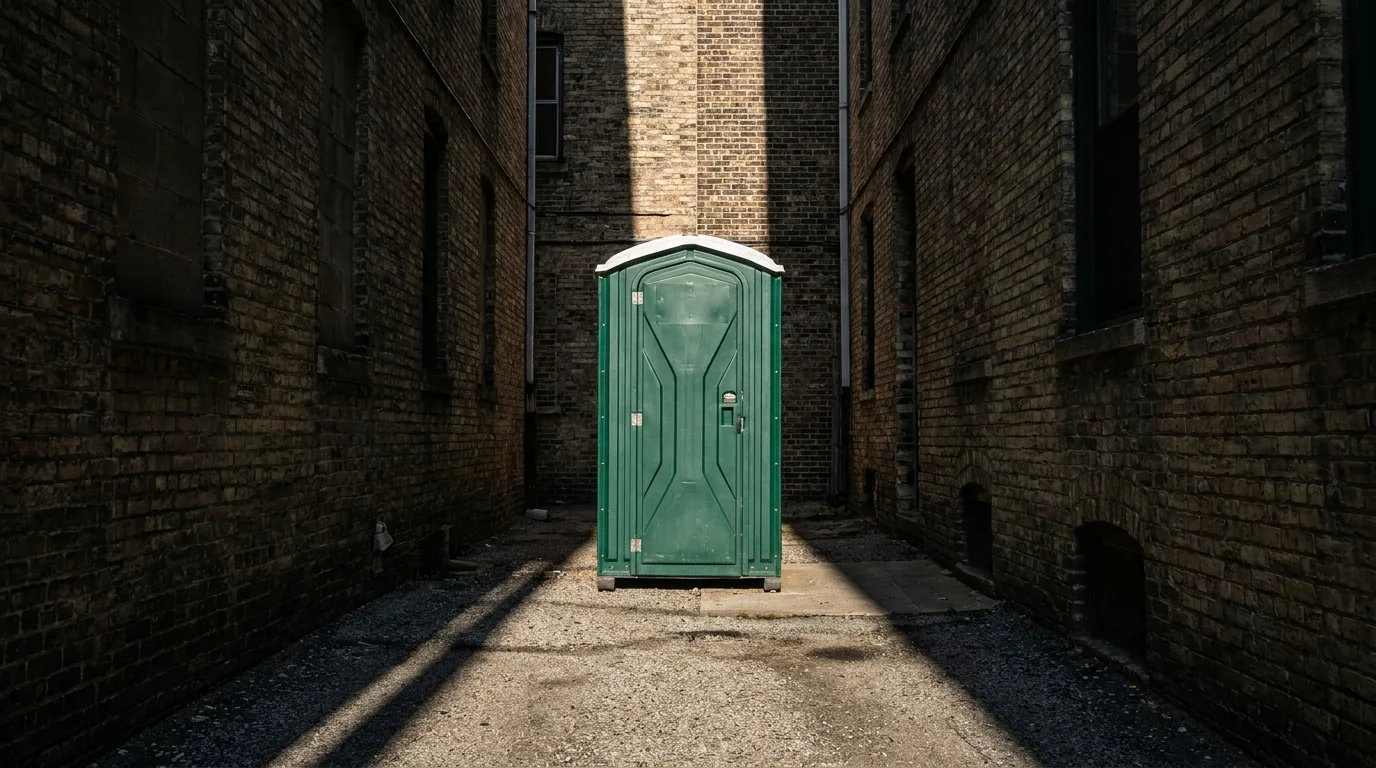
Under the seat sits a holding tank, about 60 to 70 gallons, built into a unit roughly 44 by 48 inches on the ground and 92 inches tall. When you use it, waste drops straight into that tank instead of a sewer line. There's no water tank, no flush mechanism, just gravity and a sealed reservoir. A blue chemical treatment in the tank breaks down solid waste and knocks back odor between service visits. On a job site in Ellicott City, that construction worker running to a porta potty during a break isn't thinking about any of this, and that's the point: the unit just works. Service crews follow ANSI/PSAI Z4.3, the industry baseline of one visit per week for up to 10 users over a 40 hour week, though busier sites need more frequent pumping. Curious what a longer rental runs versus a single-day booking? Compare options on the porta potty rental cost page or check the porta potty rental per day breakdown before you book a standard porta potty rental.
How Do Flushable Porta Potties Work?
A deluxe or flushable unit adds a small onboard freshwater tank and a foot pump or hand pump that pushes a rinse of water through the bowl after each use, similar to a boat toilet. The waste still goes into a holding tank below, just like a standard unit, but the flush cuts down on odor and makes the experience feel closer to a real bathroom. These units cost more to rent because they carry more moving parts and need a bit more service attention. If you're planning a wedding or a corporate event in Ellicott City, a deluxe flushable porta potty is worth the upgrade over a bare-bones unit. For anything requiring accessible entry, an ADA accessible porta potty meets ADA Standards 213.2, which requires at least 5 percent of clustered single-user units to be accessible, and ADA Standards 304.3.1, which calls for a 60 inch turning circle inside. Door openings on ADA units meet ADA Standards 404.2.3, a 32 inch minimum clear width.
How Does a Portable Sink Work?
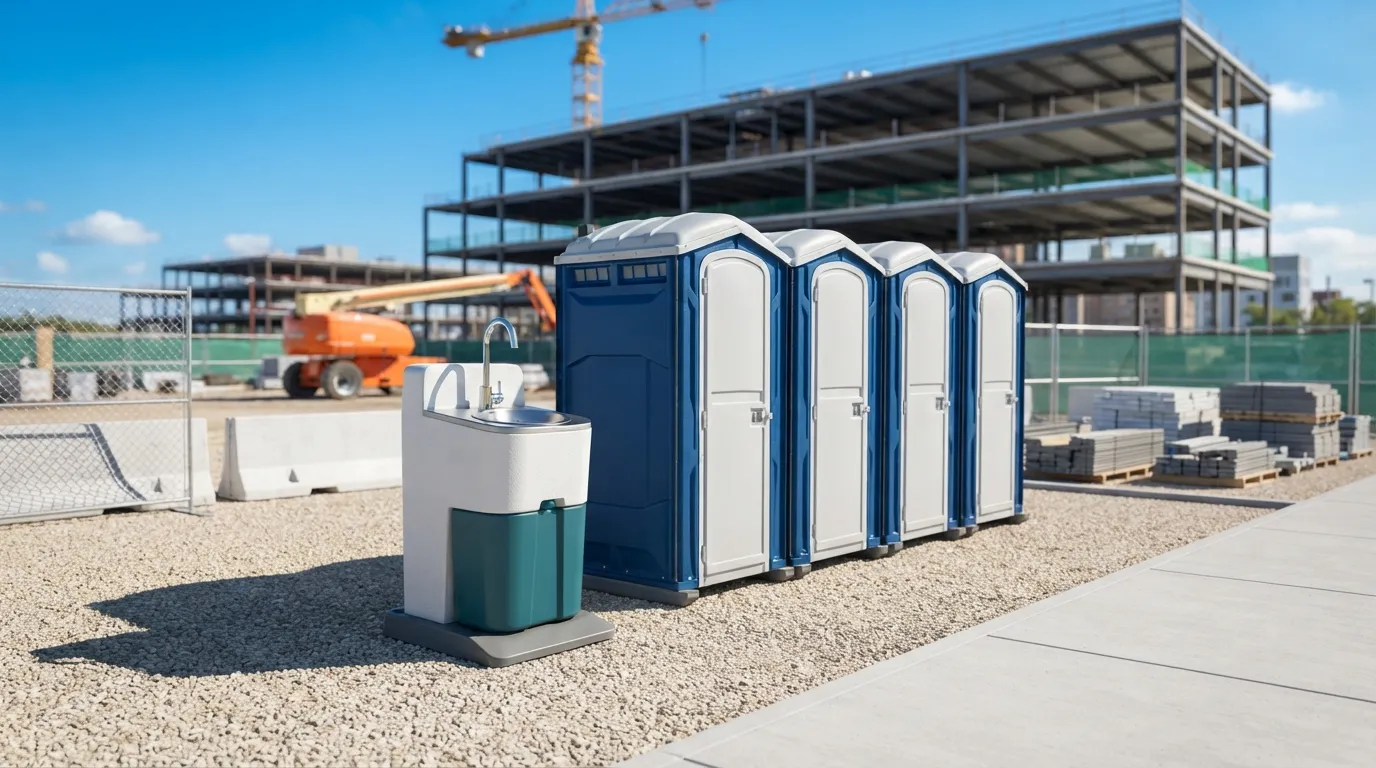
A portable sink runs on the same no-plumbing idea. A foot pump or hand pump draws water from a built-in freshwater tank, usually gravity fed or pressurized slightly, and sends it through a spout. Wastewater drains into a separate holding tank underneath, sealed off from the fresh side. Soap gets mounted right on the unit. This matters more than people think: 29 CFR 1910.141(d)(2) requires washing facilities to have soap and towels or a hand-drying device, and hand sanitizer alone doesn't satisfy that. If your crew is applying paints, coatings, herbicides or insecticides, OSHA 1926.51(f)(1) specifically requires washing facilities for that contaminant exposure. A handwashing station rental pairs well with any toilet order, and if you just need something compact, a portable sink rental covers food service or medical setups without full restroom needs. Some crews add a hand sanitizer station rental as a supplement, though it doesn't replace the sink where OSHA requires washing.
Do Camping Porta Potties Work the Same Way?
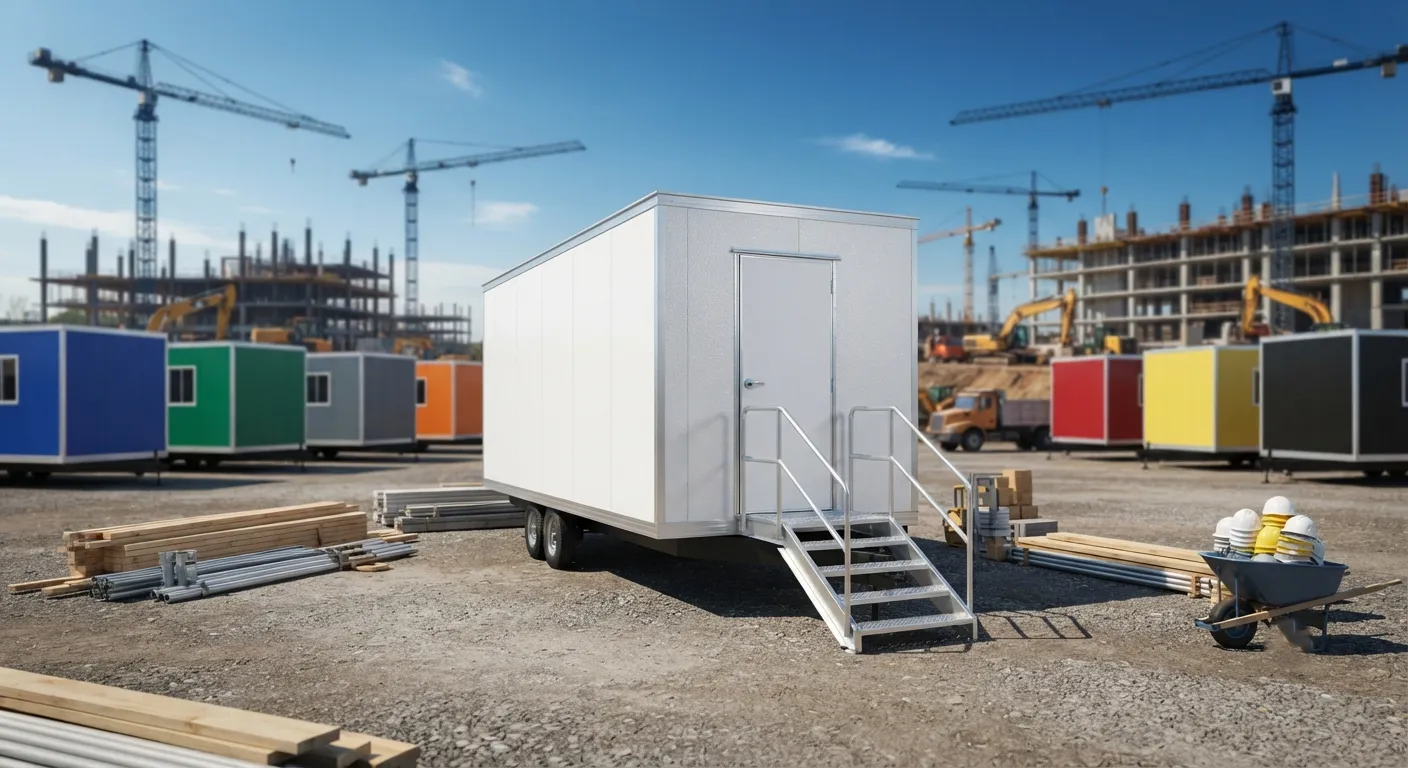
Camping units work on a smaller, simpler version of the same design. Most are two-piece: a fresh water tank on top with a flush handle, and a waste holding tank below that separates for dumping. No chemical dosing truck comes to service them out in the woods, so campers use a lighter treatment or bio-friendly packets to control odor between dumps. For group camping trips or organized outdoor events near Ellicott City, renting a standalone unit through camping porta potty service beats hauling a personal unit, especially for multi-day stays. If you're setting up anything with a larger crowd, check how many porta potties do I need to size the order correctly, since OSHA 1926.51(c) sets ratios starting at one toilet for 20 workers or fewer on construction sites.
Ellicott City sits inland from Baltimore, and nearby communities like Catonsville, 6.4 miles east, and Columbia, 7.4 miles south, use the same rental fleet and delivery schedule as jobs inside city limits. Whether you're staging units for a home renovation, a festival, or a construction crew, construction site services and event restroom rental both draw from the same trucks and the same chemical treatment process described above. If your project runs long, a monthly porta potty rental usually costs less per week than booking short stretches back to back. Need to swap toilets for a septic pump-out? See septic pumping service or septic tank cleaning for tank-based systems instead of portable units.
How often do porta potties get pumped?
Most standard rentals get serviced weekly under the ANSI/PSAI Z4.3 baseline, which covers up to 10 users across a 40 hour week. High-traffic sites, like festivals or busy construction crews, often need two or three visits a week. Check how often are porta potties cleaned for site-specific guidance.
What chemical do porta potties use?
Service companies use a blue deodorizing treatment designed to break down solid waste and mask odor between pump-outs. It's different from septic tank cleaning chemicals used in home systems, which target bacteria balance in a buried tank rather than a portable holding tank.
Do porta potties smell?
They can, especially in heat or with infrequent servicing, but proper chemical treatment and a weekly pump schedule under ANSI/PSAI Z4.3 keep most units manageable. See do porta potties smell for more on ventilation and placement choices that cut odor further.
Can I rent a porta potty for just one day?
Yes. Day rentals exist for single events, though weekly and monthly rentals bring the per-day cost down. Check the porta potty rental per day page for details on short-term versus extended pricing.
Where should porta potties be placed on a job site?
Units need stable, level ground and clear access for the service truck, which needs roughly 60 feet of straight clearance for a roll-off style delivery. Full guidance lives on porta potty placement guide, including ADA route requirements.
Next step
Get a delivery date
Tell us the address, the dates and the headcount. We size the order and confirm the route.